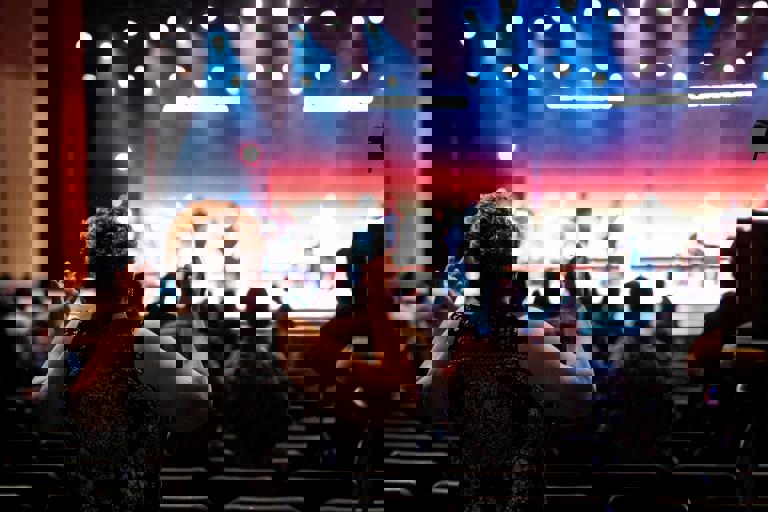
In the heart of the city, the dimmed chandeliers and creaking wooden boards of a historic local theatre are once again alive with the rhythmic pulse of poetry. This weekend, packed audiences were treated to the vibrant return of the poetry slam—a fusion of passionate verse and theatrical performance that has captivated generations past. Reviving the creative spark of spoken word, these events now serve as vital hubs for emerging poets and literature enthusiasts alike.
Spoken word poetry, an art form rooted in oral storytelling traditions, has seen a nationwide resurgence. It is especially popular among young creators seeking fresh avenues to express social, political, and personal themes. While poetry slams originated in the United States during the 1980s, British poets have embraced the movement, adding distinctive voices and perspectives that resonate with local audiences. The recent event drew a diverse group of participants, from students to professional writers.
According to theatre director Marianne Hughes, the event was an overwhelming success. 'We sold out all our seats, with standing room only,' Hughes shared after the show. 'People are hungry for live literary experiences after a period dominated by virtual performances.' Many attendees echoed her sentiments, applauding the theatre’s commitment to nurturing local talent and keeping the performing arts central to community life.
Performers took to the stage one by one, delivering poetry that reflected a wide range of experiences. Audience members were visibly moved as topics ranged from identity and belonging to mental health and contemporary politics. The immediacy of live performance gave each poem added impact, turning abstract ideas into shared emotional experiences. Several poets cited the cathartic power of speaking their truth directly to an audience.
The competitive nature of the slam added intensity to the evening, as poets vied for audience approval and a modest cash prize. Judges, drawn randomly from the crowd, scored performances on content, delivery, and originality. For many emerging poets, the event offered not only the chance to perform but also valuable feedback and wider recognition. 'It’s exhilarating and nerve-wracking,' said finalist Leanne Porter, a university student who performed her first slam piece.
Data from Arts Council England suggests that live poetry events have grown in popularity, especially among people under thirty. Ticket sales for poetry performances are up 25% compared to five years ago, reflecting a renewed interest in literature as a shared, social experience. Organisers believe this trend is partly driven by the accessibility of poetry slams, which require little more than enthusiasm and a compelling voice.
Veterans of the poetry scene note the importance of these events in fostering a sense of community. 'There’s a special chemistry in the room when people share stories face to face,' observed poet Miles Anderton, who has been performing for over a decade. He credited slams for reinvigorating the city’s cultural life, attracting new audiences, and inspiring collaborations between writers, musicians, and visual artists.
Looking ahead, the theatre plans to host regular poetry slams and workshops, aiming to make spoken word an enduring part of the urban arts scene. Organisers encourage people from all backgrounds to participate, emphasising that poetry is for everyone, regardless of experience. As the curtain fell on a night of stirring words and wild applause, it was clear that spoken word poetry had found a vibrant new home—one promising to shape the literary culture of tomorrow.