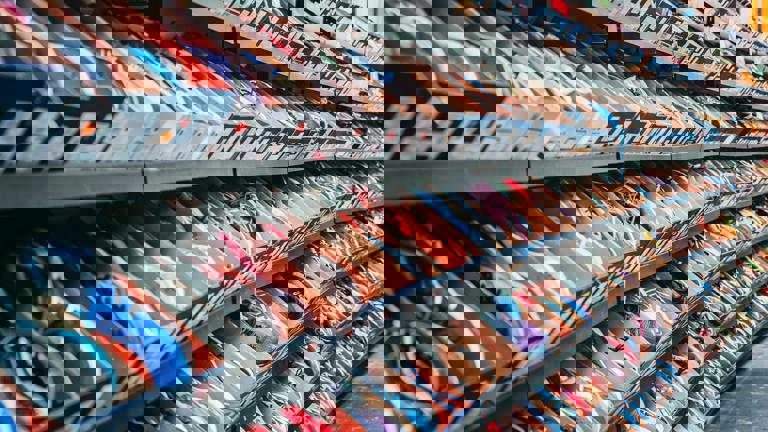
Footwear has long been a potent symbol of personal expression, but today’s shoppers are taking things a step further—literally. The UK high street is witnessing a surge in demand for bespoke trainers, as consumers seek custom-made sneakers tailored for both comfort and style. What was once a niche trend among athletes and celebrities has spilled over into mainstream fashion, transforming the way people think about their shoes.
At the heart of this movement is a desire to break away from mass-produced products in favour of individuality. According to retail analysts at Mintel, sales of customisable footwear in the UK have risen nearly 30% over the last year, with the trend most pronounced among younger shoppers aged 18 to 34. These buyers are keen to stamp their identity on their purchases, turning sneakers into wearable works of art.
Designers say that increased demand has changed their whole approach to creating footwear. Anna Griffiths, a London-based shoe designer, explains, “It’s no longer just about producing seasonal collections. Customers want a say in every detail, from the materials to the colours and even the type of laces used.” Griffiths notes that her small studio has doubled its custom orders since 2022, with most clients requesting one-of-a-kind creations.
One hallmark of this trend is the rise of interactive retail experiences, both in brick-and-mortar stores and online platforms. Many brands now offer digital customisation tools, allowing shoppers to experiment with colour palettes, fabric textures, and finishing touches before place an order. Nike By You and Adidas’ MI ADIDAS have pioneered these experiences, while smaller labels have adapted similar technologies to attract a broader clientele.
Foot comfort has played a critical role in the popularity of bespoke trainers. As lifestyles become busier and more active, people place a premium on shoes that not only look good but also offer tailored support. Mark Johnson, a sports podiatrist based in Manchester, says, “Our feet are as unique as our fingerprints. Custom trainers allow for adjustments in arch height, heel grip, and sole flexibility—features not always available in off-the-shelf designs.”
Sustainability concerns are also driving the trend, as shoppers become increasingly eco-conscious. By investing in custom footwear, buyers often opt for longer-lasting materials and ethical production methods. Laura Evans, a spokesperson for the British Footwear Association, says, "People are far more aware of the environmental impact of fast fashion. Bespoke trainers encourage thoughtful purchases and reduce waste, which really appeals to the modern consumer."
For many, the appeal is rooted in exclusivity. Social media has fuelled this desire, with Instagram and TikTok flooded with posts showcasing unique designs and personalised branding. Influencers and celebrities routinely share photos of their latest custom trainers, sparking envy and emulation. According to a 2023 YouGov survey, over half of UK consumers say they're more likely to purchase a product that feels exclusive or limited edition.
This explosion in demand has also given rise to a new wave of independent designers and artisanal workshops. Many of these firms operate on a made-to-order basis, further emphasising quality and craftsmanship over quantity. Small business owner Jamie Patel recalls, “A lot of our clients come to us not just for the look, but because they want their shoes to fit perfectly and last longer than mass-made alternatives."
In response to these shifts, major sportswear brands are expanding the scope of their customisation services. Some have introduced in-store 3D printing for soles and adaptive cushioning systems, offering immediate adjustments. Meanwhile, online platforms have become more sophisticated, deploying AI to recommend designs based on users’ previous choices and biometric data.
The cost of bespoke trainers reflects their high degree of personalisation. While prices vary widely, shoppers can expect to pay between £120 and £400 for customised sneakers, with some high-end designs reaching upwards of £1,000. Despite this, fans argue the investment is worth it. As 25-year-old buyer Tom West points out, “You’re paying for comfort, design, and something nobody else has. It’s not just a shoe—it's an experience.”
Custom trainers are not solely the domain of fashion-savvy youth. Older consumers are joining the trend, often motivated by health or comfort concerns. Many have turned to bespoke brands known for orthopaedic support or for recreating classic styles with a modern twist. This broad demographic appeal suggests that personalisation is here to stay, reaching across generational and stylistic boundaries.
Retailers are capitalising on this boom by hosting customisation workshops and sneaker art events. These experiences encourage shoppers to experiment, learn from experts, and create footwear together as a community. Nike Town London, for instance, hosts monthly SneakerLab sessions, which often sell out within hours. According to event coordinator Jasmine Carter, "People love the sense of accomplishment that comes from designing something themselves."
Industry experts predict the appetite for personalised trainers will only grow as technology continues to evolve. Younger shoppers, in particular, are driving innovation by demanding ever greater levels of customisation, from interchangeable components to embedded smart features. As consumers become more discerning and informed, brands are challenged to keep pace with their creativity and their standards for comfort and sustainability alike. The bespoke trainer boom, it seems, is only just beginning to leave its mark on the world of footwear fashion and beyond, promising an increasingly personalised future for the industry as a whole.