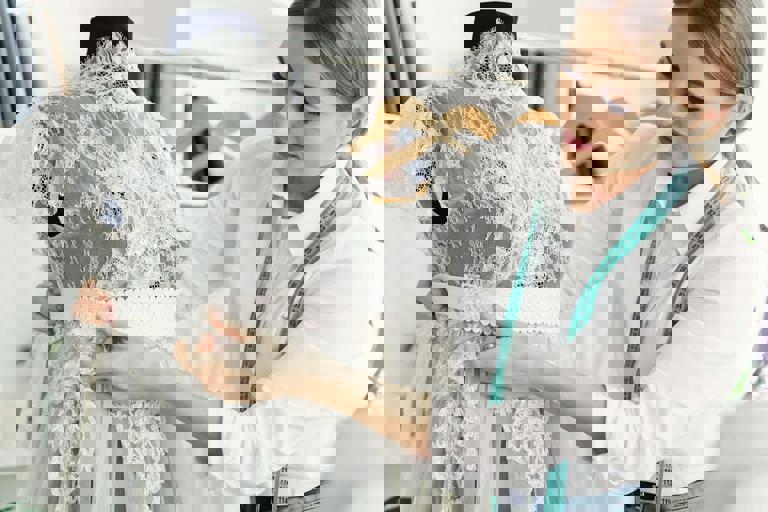
The enduring allure of weddings lies not just in celebration but in the symbolism that every element brings to the day. Traditionally, wedding attire has been synonymous with luxury, often involving costly fabrics and intricate designs. However, an innovative movement sweeping across the UK is redefining what it means to dress for a wedding. Local tailors are at the forefront, crafting bespoke outfits from recycled fabrics and vintage materials, inspired by sustainability and individuality.
This eco-conscious approach has found resonance among modern couples seeking meaningful, unique wedding garments. The shift reflects growing awareness around fast fashion's environmental costs, with the fashion industry accounting for nearly 8-10% of global carbon emissions according to the United Nations Environment Programme. Brides and grooms alike are now seeking alternatives that allow them to express their values alongside their personal style on the big day.
Renowned tailor Amelia Fox of GreenStitch Atelier explains, “There’s a genuine desire among clients to make their wedding attire not just beautiful, but responsible. By repurposing heirloom fabrics or sourcing vintage lace, we’re able to create pieces that are both sustainable and deeply personal.” For many, this represents a break from outdated expectations surrounding wedding fashion.
Couples often discover that working with reclaimed textiles opens the door to more creative and intimate design processes. Unlike shopping ready-to-wear gowns or suits, collaborating with a tailor allows for shared storytelling—sometimes incorporating a mother’s wedding dress, antique buttons, or even fabric from a beloved grandparent’s garment. These one-of-a-kind details impart emotional texture to the finished piece.
The economic benefits also appeal to many eco-conscious couples. Melanie Young, who recently married in a dress made from repurposed silk curtains, remarks, “We managed to save significantly compared to buying new. Plus, the process felt so much more personal.” Tailors report that using reclaimed materials can reduce overall costs by 20-40%, depending on design complexity and the rarity of the fabrics involved.
Of course, the craft isn’t without its challenges. Sourcing quality recycled textiles and adapting them for new designs requires an expert eye and considerable skill. Some materials, such as vintage lace or antique silks, need careful restoration before they can be transformed into modern silhouettes. Tailors like Fox say that demand has prompted growth in specialised workshops to upskill staff in restoration and creative reuse.
Another trend gaining momentum is the use of unexpected fabrics and prints—think bold retro florals, velvet offcuts, or hand-embroidered panels. For grooms, upcycled tweed blazers or waistcoats made from patchwork suiting add character to the classic wedding look. These choices reflect a broader embrace of individuality, making the wedding outfit a canvas for self-expression rather than mere tradition.
Sustainability experts applaud the shift towards reclaimed materials, noting that textile waste is a significant environmental challenge. In the UK alone, an estimated 350,000 tonnes of clothing end up in landfills annually, according to WRAP. By choosing to reuse existing fabrics, couples are helping to divert waste while celebrating their commitments. It is a small but meaningful way to contribute to environmental preservation while honouring special moments.
The popularity of eco-friendly wedding attire has also spurred a broader market response. Vintage shops, charity retailers, and online platforms now offer curated selections of quality textiles and garments, fuelling a vibrant circular fashion economy. Some startups have even partnered with tailors to streamline the process, providing couples with pre-selected, repurposable fabrics and accessories for bespoke outfits.
Social media has played a significant role in amplifying the visibility of sustainable wedding wear. Hashtags like #EcoBride and #GreenWedding routinely showcase the ingenuity of local makers and the stories behind each custom creation. This digital exposure is not only inspiring others to embrace upcycled fashion but also building a supportive community around the sustainable wedding movement.
For some couples, the embrace of recycled wedding attire extends beyond aesthetics or environmental impact. It provides an opportunity to connect with cultural heritage. “We incorporated sari fabric from my grandmother into my veil,” shares bride Priya Patel. “Wearing it made me feel rooted in my family’s history as I began this new chapter.” Such gestures imbue the garment with generational significance.
Tailors are also seeing demand for ensembles that are designed with future reuse in mind. Rather than a dress or suit to be worn once and stored away, many clients request elements that can be restyled for parties or formal occasions. This practical approach to fashion aligns with a growing desire to invest in garments that will have life long after the wedding day concludes.
As awareness of climate issues continues to shape consumer choices, industry experts predict that sustainable wedding attire is set to become less a fringe trend and more a standard offering. “It’s a genuine win-win for couples and for the planet,” observes sustainability consultant Julian Barnes. “You get a unique look and a lighter environmental footprint, which resonates with today’s values.” Wedding suppliers are increasingly investing in resources and workshops to meet rising demand for tailored, eco-minded solutions in bridal fashion and beyond; a sign that the movement has significant staying power moving forward into the next wedding season and beyond.