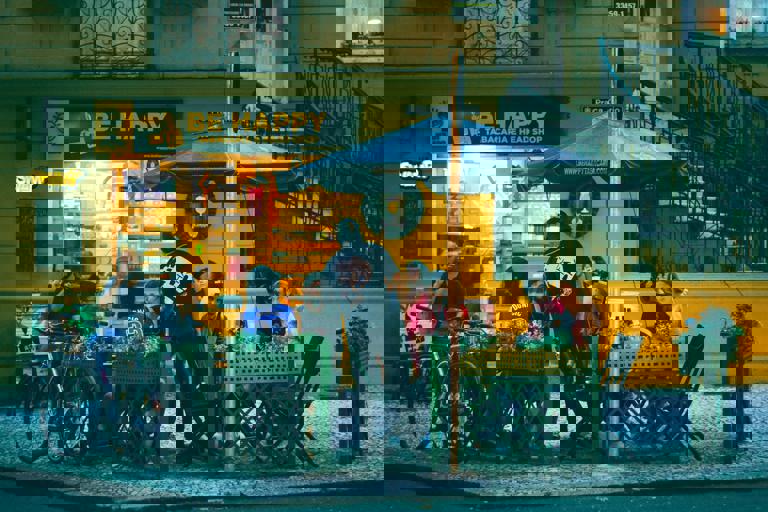
A wave of innovation is sweeping through city alleyways as pop-up cycle cafés emerge as vibrant havens for cyclists and urban adventurers. Formerly overlooked and underutilised, these urban nooks are being transformed by creative entrepreneurs into social hubs, offering caffeine fixes, bicycle repairs, and a place for community. The phenomenon reflects a broader movement to reimagine the urban environment and harness neglected spaces for positive change.
The concept behind pop-up cycle cafés is as pragmatic as it is imaginative. Entrepreneurs, recognising the surge in urban cycling and the growing need for convenient pit stops, have turned their attention to alleyways historically consigned to neglect. These locations, often shielded from heavy traffic yet perfectly situated along popular cycling routes, offer an ideal setting for serving commuters without interrupting the city’s flow.
At these cafés, the amenities extend well beyond just coffee and pastries. Many offer on-the-spot bike repairs, quick tune-ups, and a curated selection of cycling accessories. Rachel Thomas, co-founder of AlleyVelo Café, explains, “We wanted to create more than a coffee stop—our aim is to provide a holistic haven for cyclists, combining great food, friendly mechanics, and a sense of belonging among city-goers.”
For commuters, the appeal lies in the unique ambience and community-driven ethos of these spots. Intimate seating and the buzz of conversation replace the sterile anonymity so often found in chain coffee shops. James Cook, who frequents two such cafés on his daily route, says, “It’s about knowing you’ll always run into someone with a shared interest, whether that’s cycling or just exploring the city.”
Urban planners and city officials are taking notice, seeing these cafés as catalysts for urban regeneration. Rather than being blighted by rubbish or graffiti, alleyways hosting these pop-ups experience a remarkable transformation. City planner Louise Webb observes, “Cycle cafés have shown that these spaces can become lively, cared-for places which reduce crime and promote neighbourliness. It’s a powerful example of tactical urbanism at work.”
The economic potential of these ventures is not to be underestimated. According to data from Small Business Britain, start-ups focusing on cycling-related industries grew by 14% in the last year alone. Cycle cafés are frequently cited as models of sustainable microbusinesses, fostering local employment and sourcing supplies from nearby bakeries and coffee roasteries to generate a strong sense of locality and support wider neighbourhood economies.
Environmentalists also praise the initiative, noting that pop-up cycle cafés encourage sustainable transport and less car use. “By encouraging residents to cycle and providing infrastructure for riders, these businesses play a tangible role in reducing urban emissions,” says Dr. Hamid Patel, a transport and sustainability expert. The easy availability of refreshments and bike services makes cycling a more attractive option for those considering a shift away from cars.
While the cafés are a boon for cyclists, their appeal often extends to walkers, remote workers, and city explorers alike. On sunny days, alleyways once notorious for their gloom are filled with patrons soaking up the atmosphere, tapping away at laptops, or simply enjoying a respite amid the urban bustle. Regular patron Fiona Green remarks, “It makes city wandering a joy—you can stumble on live music, pop-up art, or just relax with a really good flat white.”
Such pop-ups also offer rich opportunities for cultural programming and community events. Organisers host everything from vintage bike fairs and cycling safety workshops to poetry readings and local musicians’ sets. This variety helps knit disparate communities together, reinforcing social ties. “Alley cafés have become much-needed gathering points, bringing together all ages and backgrounds,” notes local community organiser Marcus Evans.
Of course, setting up a café in an alleyway comes with its set of challenges. Licencing, waste management, and unpredictable weather can pose obstacles, as can concerns about security after dark. Nevertheless, many entrepreneurs view these hurdles as surmountable, pointing to strong community partnerships and support from local authorities as key to their ongoing success.
Experts suggest the trend could pave the way for wider urban revitalisation projects, encouraging further investment in public spaces and pedestrian prioritisation. Architect and urbanist Sarah Lowe envisions, “If we can integrate pop-up cafés into the fabric of our cities, it’s possible to create entire networks of welcoming, accessible spaces. It’s a win for footfall, commerce, and quality of urban life.”
Looking forward, the cycle café movement appears poised for continued growth, with plans for expansion often discussed as word spreads among commuters and entrepreneurs alike. As cycling infrastructure improves and more residents embrace active travel, these alleyway cafés represent a positive intersection of social enterprise, urban creativity, and environmental action—helping to shape cities not only for movement, but for meaningful human connection as well.